
































DigiWorks

Hire the Top 1% of Postgres DBA Philippines

Need senior Postgres reliability without Silicon Valley pricing? At DigiWorks, we connect you with vetted Philippines‑based DBAs/DBREs for SaaS—experts in RDS/Aurora, Cloud SQL, migrations, and 24/7 on‑call. Free interviews, zero fees until your subscription starts.
Hire the Top 1% of Postgres DBA Philippines

Trusted by 3,000+ businesses worldwide

List of Benefits of Hiring a Postgres DBA for SaaS with DigiWorks

Uptime that retains customers

Design for 99.9–99.99% SLAs with tuned Postgres, resilient replicas, and tested failover—built and run by DBREs who live reliability.

Faster queries, lower cloud bills

Systematic query tuning, right‑sizing, and index hygiene to reduce p95/99 latencies and trim RDS/Aurora spend.

Zero‑downtime changes

Plan and execute online schema changes, versioned migrations, and rolling switchovers with no customer impact.

Follow‑the‑sun coverage

US time‑zone overlap for standups plus APAC night coverage for true 24/7 response—without burning out your core team.

Up to 70% cost savings

Senior talent from the Philippines delivers enterprise‑grade outcomes at a fraction of US in‑house costs.

Why Choose DigiWorks for Database Reliability Engineering?

Vetted senior DBAs and DBREs

Hands‑on screens in Postgres internals, HA/DR, cloud DB services, IaC, observability, and incident response.

Global reach, rapid placement

Interview in 3–5 days; typical start in 7–14 days. No cost until your subscription starts; interviews are free.

SaaS‑first operating model

Pods with on‑call processes, runbooks, change management, and SLO practices tuned for multi‑tenant products.

How It Works

Optional Trial / Guarantee

Experience Software Engineer on your workflow – risk-free.

Service Breakdown

What’s the pragmatic path from research to reliable operations? Use this skimmable guide to compare models, define the skill set you need, and implement on‑call, SLAs, and migrations without drama.

Comparison: In‑house U.S. DBA/SRE vs Freelancers vs Philippines‑based Pod

• In‑house U.S.: + Deep context, security control; − 12–20 weeks to hire, $180k–$260k fully loaded, limited 24/7 coverage. • Freelancers: + Fast start, low commitment; − Variable quality, single point of failure, weak on‑call/SLA discipline. • DigiWorks PH Pod: + Pre‑vetted team, follow‑the‑sun, repeatable runbooks, 7–14 day start, 50–70% lower cost; − Requires clear interfaces/SOPs (we provide templates). CTA: Book free interviews; compare candidates side‑by‑side in 48–72 hours.

Skills Matrix: Database‑Focused Software Engineers

• Engines: PostgreSQL (primary), MySQL, MongoDB, Redis. • Cloud DB: AWS RDS/Aurora, GCP Cloud SQL. • IaC: Terraform, modular DB provisioning, parameter baselines. • Observability: Prometheus, Grafana, CloudWatch metrics/alerts; slow query dashboards. • Backups/DR: PITR, snapshot strategies, cross‑region replicas, recovery drills. • Security: Patching cadence, CIS/STIG baselines, key rotation, least‑privilege IAM, auditing. • Changes: Schema migrations (gh-ost/pg_repack/pglogical), versioned deploys, feature flags. • Performance: Query plans, index strategy, connection pooling (PgBouncer), vacuum tuning.

On‑Call Models with U.S. Overlap

• Weekday overlap: 3–4 hours US PT/ET for standups and deploy windows. • Follow‑the‑sun: Primary in PH (APAC nights for US), secondary in US/EU for daytime. • Escalation: L1 triage (alerts/runbooks), L2 DBA (query/index/infra), L3 engineering (app logic). • Tooling: PagerDuty/Opsgenie, runbooks in Git, incident channels, postmortems within 48 hours. CTA: See a sample on‑call schedule during your consult.

Onboarding Checklist + 30/60/90‑Day Outcomes

Checklist: Access (read‑only first), architecture map, RDS/Cloud SQL configs, monitoring/alerts, runbooks, backup/restore tests, staging parity, CI/CD hooks. 30 days: Baselines, quick‑win query/index fixes, alert noise reduction, backup verification. 60 days: HA review, cost/rightsizing plan, migration pipeline hardened, DR drill. 90 days: SLA/SLO finalized, performance budget per service, zero‑downtime change playbooks, roadmap for next 2 quarters.

SLA Targets, MTTR, Zero‑Downtime Migration Steps

• SLA/SLO: 99.9% (standard), 99.95–99.99% (premium) with multi‑AZ + tested failover. • MTTR: P1 < 30–45 min; P2 < 4 hours, with blameless postmortems and action items. • Zero‑downtime: Assess (locks/size/deps), stage and validate, dual‑write or logical replication, backfill, shadow traffic, health gates, progressive cutover, verify, decommission. CTA: We’ll map your SLA to architecture in a free session.

Indicative Cost and Time‑to‑Hire

• Philippines Senior DBA/DBRE: $3.5k–$7.5k/month FTE equivalent depending on scope and on‑call. • U.S. in‑house: $180k–$260k/year fully loaded. • Time‑to‑hire: Interview in 3–5 days; start in 7–14. • Source: Market data and public salary references (e.g., PH database engineer ranges). ROI CTA: Model your savings and uptime gains on our call—no commitment.

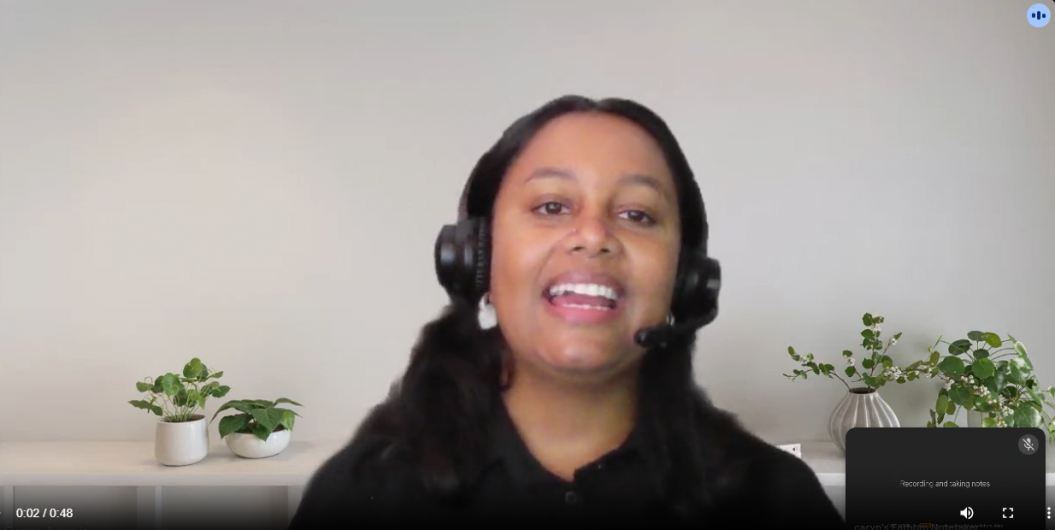
Video Customer Testimonials

Remodelmate

Logan Phillips (Head of Operations)

Start Up

Marketplace

United States

Drunk Yoga
Eli Walker (Founder)

Wellness

SME

United States
Ovalz
Marvin Harris (Founder)

Wellness

SME

United States
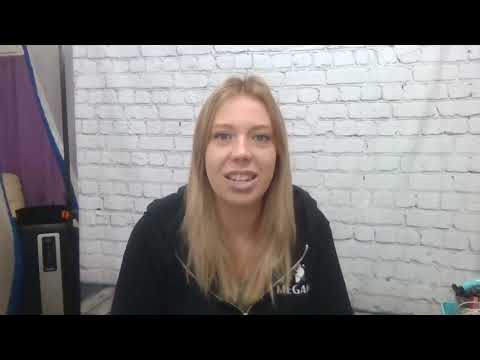
Maid Fantastic

Megan Fraser (Founder)

Local Service

SME

Canada

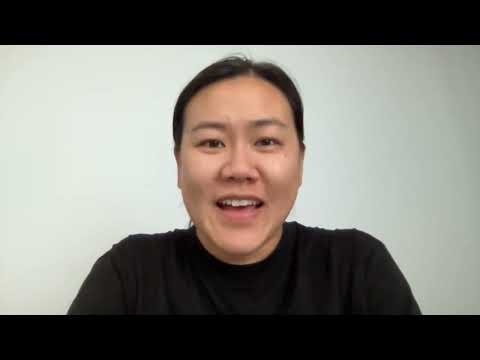
BeCeBe

Janice Wong (Founder)

Ecommerce

Startup

United States

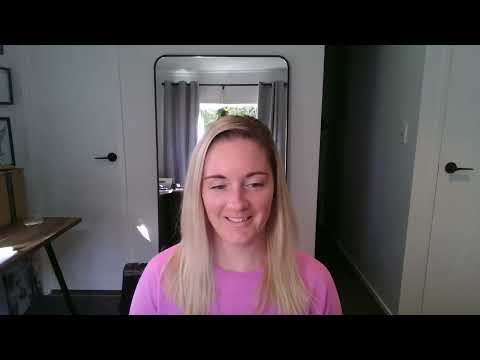
EcoFresh Solutions

Holly McKee (Founder)

Local Service

SME

New Zealand

Comparison Table

Feature / Service DigiWorks Wishup Bruntwork Wing Assitant Virtudesk MyOutDesk
Start in 48 Hours
AI-Specific Training
Expertise in LLMs (OpenAI, Anthropic, Meta)
Global Talent Pool
Up to 70% Cost Savings vs In-House
Experience in ML Ops & Deployment
Integration with Existing Tech Stack (APIs, Databases, CRMs)
Dedicated AI Developer
Free Replacement Guarantee
Free 1-Week Trial

Founder Story

Monica

Co-Founder

Rolphy

Co-Founder

Hi, We're Monica & Rolphy!

We founded DigiWorks after seeing how broken hiring and team building had become — slow, expensive, and limited by geography. Companies were either overpaying locally or struggling to manage remote talent effectively.

We built DigiWorks to fix that. By combining global talent access with structured systems for hiring, onboarding, and performance, we make it possible for companies to build high-performing teams anywhere in the world.

Most business owners waste enormous time and cash because they don’t know how to hire, manage, or scale remote teams, especially technical ones.

We believe this is a fundamental shift. The best companies won’t be defined by where they hire, but by how effectively they build and operate global teams — and DigiWorks sits at the centre of that change.

Monica & Rolphy

Zero-Risk Hiring Starts Here

See how a remote team member performs inside your workflow, completely risk-free.

Find Out How DigiWorks Helps Businesses Hire Contractors

Find Out How DigiWorks Helps Businesses Find Contractors​

See a Few of Our 45k+ Pre-vetted Candidates

Industries We Serve

Our AI app development experts have experience across sectors, tailoring each solution to specific business needs.

Meet The Talent

Top Talent, Transparent Compensation

We help you hire faster and retain skilled AI developers longer by providing clear role definitions, transparent compensation, and pre-vetted global talent. With DigiWorks, you always know exactly what your hire earns and what goes to us.

AI Developer

(Entry Level)

Candidate Compensation

$1,200 – $1,800 / month (Offshore talent via DigiWorks)

AI Developer

(Mid-Level)

Candidate Compensation

$1,800 – $2,500 / month (Offshore talent via DigiWorks)

Senior AI Developer / AI Solutions Architect

Candidate Compensation

$2,500 – $3,500 / month (Offshore talent via DigiWorks)
How do you ensure data security and compliance (e.g., SOC 2)?
We implement least‑privilege IAM, audited access, encrypted channels, hardened baselines, and change approvals. We align workflows to your SOC 2 controls; we can work within your VPC/VPN and your SSO. No production writes until access and guardrails are approved.
Yes. Expect 3–4 hours daily overlap plus follow‑the‑sun rotation for nights/weekends. We define paging policies, SLAs, and escalation paths up front.
Primarily senior and lead DBAs/DBREs (5–12+ years). Candidates complete hands‑on labs in query optimization, HA/DR, IaC, and incident drills before we present them.
We support fractional DBRE, migration sprints, and burst capacity for launches. Pods scale up/down with 30‑day notice.
We line up interviews in 3–5 days and typically start within 7–14 days. Interviews are free; you pay nothing until subscription begins.

FAQs

3,000+ Happy Customers And Counting

Ready to hire a Postgres DBA in the Philippines?

Interview pre‑vetted senior DBAs/DBREs for free and start in as little as 7 days. No fees until your subscription begins. Get the uptime, performance, and costs your SaaS needs—without compromising on talent.

Capabilities of Our Philippines‑Based Postgres DBAs and DBREs

Production‑hardened Postgres on AWS/GCP

Design and operate RDS/Aurora and Cloud SQL with parameter tuning, connection pooling, and multi‑AZ failover.

Observability and performance engineering

Prometheus/Grafana dashboards, slow query heatmaps, p95/99 budgets, and capacity models tied to SLAs.

Backups, DR, and compliance

PITR, cross‑region replicas, quarterly restore drills, patching SLAs, and audit‑ready evidence for SOC 2.

Zero‑downtime changes and migrations

Online schema changes, logical replication, traffic shadowing, and progressive cutovers with rollback gates.

Infrastructure as Code and automation

Terraform modules for DB clusters, secrets, alerts, and runbooks wired into CI/CD.

Cost and risk reduction for SaaS

Rightsizing, storage IOPS tuning, and index strategy that lower cloud bills while improving reliability.

Cross‑engine fluency

MySQL performance tuning, MongoDB ops, and Redis caching patterns when your stack extends beyond Postgres.

On‑call discipline and incident response

Pager standards, clear severities, MTTR targets, and blameless postmortems with tracked improvements.

Security hardening and access control

IAM least privilege, KMS rotation, activity auditing, and safe break‑glass procedures.

Schema governance and lifecycle

Versioned migrations, data quality checks, and documentation to keep product velocity high without risk.

Share

Hire the Top 1% of Postgres DBA Philippines

Need enterprise‑grade database reliability without enterprise overhead? A Philippines‑based Postgres DBA pod delivers 24/7 stability, U.S. time‑zone overlap, and measurable SLAs—at a fraction of in‑house cost.

Why a Philippines Postgres DBA pod now

  • Cost efficiency: Clients typically save up to 70% vs. U.S. in‑house teams, while maintaining seniority and rigor.
  • Speed to hire: Interview vetted DBAs in as little as 7 days—free interviews, no fees until your subscription starts.
  • Enterprise readiness: Experience across PostgreSQL, AWS RDS/Aurora, GCP Cloud SQL, Terraform/IaC, observability, and zero‑downtime migrations.
  • Follow‑the‑sun coverage: Reliable on‑call with U.S. overlap plus off‑hours incident response.

In‑house vs. freelancers vs. a Philippines‑based pod

  • In‑house U.S. DBA/SRE
    • Pros: Deep context, co‑located collaboration.
    • Cons: Highest cost and slowest hiring; harder to maintain 24/7 coverage; single‑point‑of‑failure risk.
    • Use when: You need heavy cross‑functional onsite work or strict on‑prem constraints.
  • Freelancers (global)
    • Pros: Flexible, quick to start.
    • Cons: Variable quality, limited redundancy, inconsistent on‑call, higher coordination risk.
    • Use when: Short, narrowly scoped tasks where continuity isn’t critical.
  • Philippines‑based DBA pod (DigiWorks)
    • Pros: Dedicated team with primary + backup DBAs; documented runbooks; measured SLAs; U.S. overlap + follow‑the‑sun.
    • Cons: Requires clear SLOs and onboarding; remote‑first processes.
    • Use when: You need sustained reliability, capacity for projects and incidents, and predictable cost.

Skills matrix (database‑focused software engineers)

  • Core databases: PostgreSQL (primary), MySQL, MongoDB, Redis.
  • Cloud platforms: AWS RDS/Aurora, GCP Cloud SQL; read replicas, blue/green, and cross‑region strategies.
  • IaC: Terraform, parameterized modules for RDS/Aurora/Cloud SQL provisioning and policy guardrails.
  • Observability: Prometheus exporters, Grafana dashboards, alerting via PagerDuty/Opsgenie; slow query logs, pg_stat_statements.
  • Backups/DR: PITR, snapshot automation, retention, recovery drills, RPO/RTO alignment.
  • Security: CIS hardening, TLS in transit, encryption at rest, patching windows, secrets rotation, least privilege for DB IAM roles.
  • Schema migrations: Versioned migrations (Sqitch/Flyway/liquibase), online DDL, feature flags, rollback plans.
  • Performance: Query optimization, index strategy, vacuum/autovacuum tuning, connection pooling (PgBouncer), memory/worker tuning.

On‑call models with U.S. overlap

  • Standard: 4–6 hours U.S. overlap (PT/ET) for standups, deploy windows, stakeholder reviews.
  • Follow‑the‑sun: Primary (PH) handles off‑hours incidents; U.S. product/eng wake up to post‑mortems and fixes in progress.
  • Hybrid: PH pod is primary nights/weekends; U.S. SREs retain daytime ownership.

Onboarding checklist

  • Access: Cloud accounts, DB instances, monitoring tools, ticketing, runbooks, architectural diagrams.
  • SLOs/SLA: 99.9–99.99 availability targets; MTTR objectives; paging policy and escalation tree.
  • Security: VPN, SSO, MFA, secrets manager, least‑privilege roles, patch cadence, audit trail.
  • Ops: Backup/restore tests, DR plan, capacity baselines, maintenance windows.
  • Dev: Migration toolkit, branching strategy, release calendar, rollback process.

30/60/90‑day outcomes

  • 30 days: Environment audit; SLOs baselined; dashboards/alerts deployed; critical patch backlog and top 10 slow queries addressed.
  • 60 days: Backups validated with recovery drills; autovacuum and indexing strategy tuned; IaC for DB provisioning in code review; on‑call steady‑state.
  • 90 days: Zero‑downtime migration runbook proven in staging; cost/perf optimizations (storage class, instance sizing); quarterly DR test; security posture report.

SLA and reliability targets

  • Availability: 99.9–99.99 for production SaaS databases (aligned to your tiering).
  • MTTR: P1 < 60 minutes to mitigation; P2 same‑day; P3 within sprint.
  • Change management: Peer‑reviewed migrations, canary releases, maintenance comms, and backout plans.
  • Zero‑downtime Postgres migration steps:
    • Preflight: Capacity check, replica/slot setup, logical replication planning.
    • Sync: Create logical/subscription or use DMS; backfill with throttling.
    • Dual‑write/cutover: Read‑only window or flag‑gated writes; promote target; verify; decommission old.
    • Post‑cut: Cache flush, connection pool warmup, performance watch, rollback window retained.

Indicative cost and time‑to‑hire

  • Time‑to‑hire: Interview senior DBAs within 7 days; start within 2–3 weeks in most cases.
  • Cost efficiency: Philippines software engineer rates can reduce total cost of ownership significantly versus U.S. in‑house. Public salary benchmarks for database engineers in the Philippines are available via Indeed (see averages on Indeed).
  • Model: Flat monthly subscription; free interviews; no fees until subscription begins.

Handling common objections

  • Data security: Enforced SSO/MFA, VPN, role‑based access, audit logging, encrypted channels, and patch SLAs. Alignment to SOC 2 controls in process, access, and monitoring.
  • Compliance: Runbooks tied to change management and incident response; evidence gathering for audits; separation of duties for production access.
  • Communication: Daily standups, weekly ops reviews, clear RACI, and shared dashboards; U.S. overlap guaranteed.
  • Seniority: Vetted senior DBAs with proven histories in RDS/Aurora, Cloud SQL PostgreSQL DBA work, and zero‑downtime migration delivery.

Where a Postgres DBA pod shines

  • SaaS database ops (99.9–99.99 SLA) where reliability and cost predictability matter.
  • RDS Aurora DBA offshore support with Terraform‑based provisioning and policy guardrails.
  • Performance programs: MySQL performance tuning remote, Redis memory optimization, MongoDB DBA remote reliability improvements.
  • Follow‑the‑sun on‑call to shrink incident time‑to‑detection and MTTR.

Example engagement flow

  • Define: Workload (OLTP vs. analytics), SLOs, and on‑call coverage model.
  • Instrument: pg_stat_statements, slow query sampling, Grafana boards, and P1/P2 alert routes.
  • Stabilize: Backups + restore tests, auto‑failover readiness, index and vacuum tuning, connection pooling.
  • Optimize: Cost/perf trade‑offs (storage classes, instance right‑sizing), query rewrites, and caching.
  • Scale: Blue/green or logical replication for major upgrades; regional DR with tested RPO/RTO.

Related resources

Why DigiWorks

  • We match you with dedicated, rigorously screened remote professionals, not just general VAs—specialists in database reliability for SaaS.
  • Flexible engagement: Tailored to your stack, SLOs, and on‑call requirements.
  • Seamless onboarding: Clear checklists, runbooks, and success metrics from day one.
  • From startups to SMBs: We support Series A product velocity through mature ops for scale‑ups.

Looking for a Postgres DBA Philippines solution that’s pragmatic, fast to stand up, and built for 24/7 reliability? Let’s make your database boring—in the best possible way.