



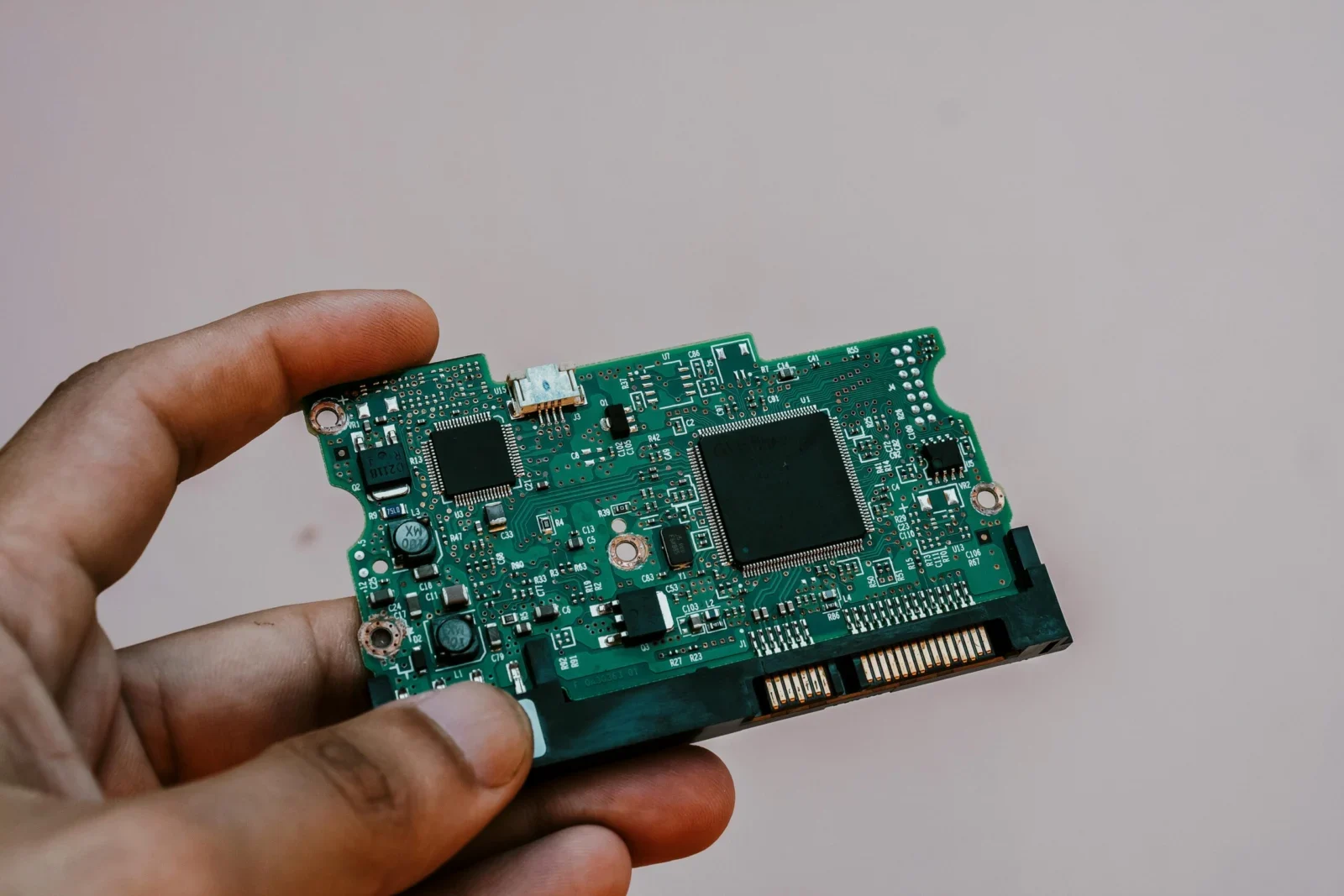


























































A guide to hiring Bluetooth developers
Bluetooth is the short range radio link that lets a phone talk to a watch, a lock, a sensor, a speaker or a medical device. For most connected products it is the first way a customer meets the device, so a poor connection is felt at once. Hiring for it is not the same as hiring a general app developer. Below you will find what the job covers, where it ends and how to tell a strong hire from a weak one. Founders, product managers and engineering leads who build a device or an app around a Bluetooth link should find it useful.
What a Bluetooth developer is responsible for
The developer owns the link between two devices. On the device side they set up Bluetooth Low Energy, decide what data it offers, handle pairing and keep power use low. On the phone side they write the code that finds the device, connects, reads and writes data and copes with the real world: weak signals, phones that sleep and users who walk away mid transfer. They also test on many handsets and write down how the link works so the rest of the team can build on it.
How the role differs from nearby jobs
An IoT developer looks after the whole connected product, with cloud services and several kinds of radio. A firmware engineer writes the low level code on the chip, of which Bluetooth is one part. A mobile developer, such as an iOS developer or an Android developer, builds the app and may have used Bluetooth only lightly. Choose a Bluetooth developer when the link itself is the hard part, or when you need someone who can work on both ends of it.
When a Bluetooth developer makes sense
- You are building a device that pairs with a phone app.
- Connections drop, or the first pairing fails for some customers.
- The battery runs down faster than your plan says it should.
- You need to send firmware updates to devices over Bluetooth.
- An app works on one phone brand and fails on another.
A plain screen that shows data from a device that already works usually needs only a general mobile developer.
Reading a Bluetooth developer’s background
Look past the list of chips. Ask what the person shipped, which phones it had to support, what went wrong and what they changed. Ask which side of the link they built, how they tested pairing and what they did when a customer could not connect. A demo app only proves the basics. A shipped product shows that the person dealt with the mess that follows.
Interview questions to try
- Explain how a phone finds a BLE device and reads a value from it.
- How would you design pairing for a device with no screen?
- What do you do when a connection drops while the app is in the background?
- How would you send a firmware update, and what stops a bad one from breaking the device?
- How do you test on phones you do not own?
Good answers are specific and name a real product. Be wary of anyone who says every phone behaves the same.
Set a small paid test
Before you commit, ask two finalists to solve the same short problem from your product. A good test could be a data layout for your device, a tiny app that connects and reads one value, or a written review of why your link keeps dropping. Pay for the work. Compare how each person handles failure, how plainly they explain their plan and how easy their code is to follow.
Fit the person to the product stage
A first prototype calls for speed and a tidy design. A product close to launch calls for care, many test phones and a plan for updates. A product that already has unhappy customers calls for a patient debugger. Job titles say little here, so ask each candidate which parts of the link they built with their own hands.
Set up access and a weekly rhythm
Send the developer the code, the test devices and the tools, and keep access narrow. Choose a regular time to talk and a place for questions. A shared list of test phones, with notes on what worked on each, saves hours. Signing keys and developer accounts belong to your company, not to a contractor, and access should end when the work does.
Working with hardware and app teams
Bluetooth problems often sit between teams. Agree on the data layout before either side writes code, and write it down. When something fails, ask both sides to share logs from the same moment. A short weekly call between the device and app people often prevents most of the surprises that show up late in a project.
Mistakes to avoid
- Testing on one or two phones and calling the link finished.
- Leaving pairing and recovery until the end of the project.
- Sending large amounts of data when small messages would do.
- Shipping a device with no safe way to update its firmware.
- Letting a contractor hold the only copy of your signing keys or accounts.
Need a wider team around the device? Read about how to hire IoT developers, or look at our firmware engineers for work on the chip itself.